Child Restraint System LTO: Complete Guide to Requirements, Exemptions, and Compliance
Protection is the basic right of your child! In your private car, you are going to drop your kids to school. They are sitting back without any proper child restraint because the parents thought a regular seat belt was “fine” enough. But when you heard about the Child Restraint System rules from the Land Transportation Office, you became worried, like what if something happens to your child, and what about possible traffic penalties too.
So to make things clear, this article talks about the Child Restraint System LTO rules in very simple words. In this guide we explain everything you need to know about LTO child restraint requirements, exemptions, age limits, and how to comply with Philippine traffic laws without any penalties.
It kinda helps parents figure out who really needs a child seat, how to pick the right model and why all of this matters for every child’s protection and wellbeing. If they follow this guide, families can drive with more confidence, keep their children safe, and also avoid fines on the road. So continue with us!
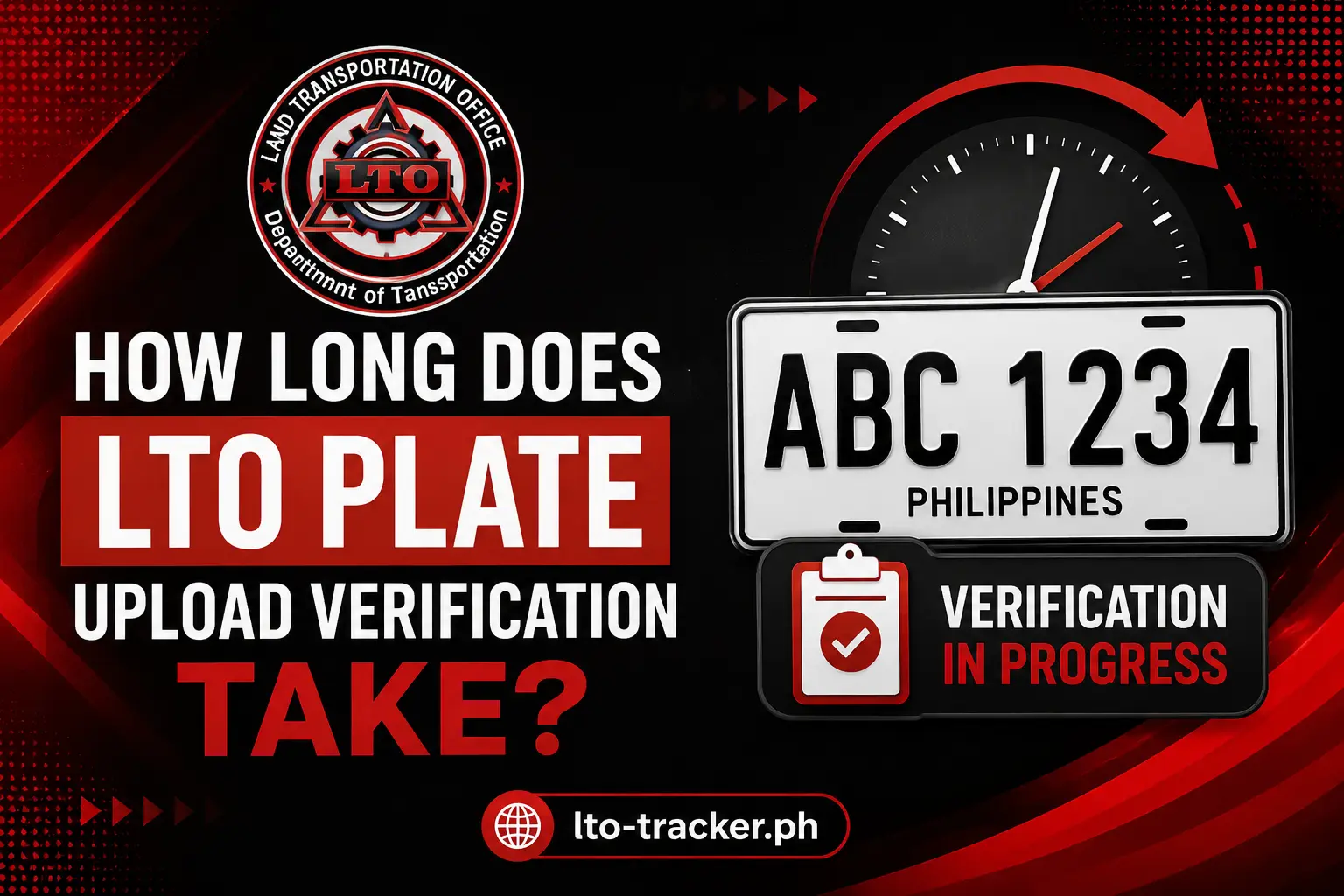
What is The Child Safety in Motors vehicles Act?
Before moving to the topic we want to clarify what actually the Child restraint system is? According to the LTO a child restraint system basically is the car seats, booster seats, and seat belts which are designed to protect young passengers during travel.
In the Philippines, Republic Act No. 11229, also known as the Child Safety in Motor Vehicles Act, which is for the parents and drivers to use these systems for the children under specific age and height limits.
Child Restraint Rules:
- If the child is 12 years old or younger, they have to sit in a suitable child restraint seat inside a car, always.
- A child may use the normal seat belt only when they are at least 150 cm tall (4’11”).
- While the vehicle is moving, the child should be placed in the back seat, not next to the driver.
- The child seat should fit the child’s age, height and weight too, so protection is better.
- Before driving, you must check that the child restraint seat is installed or fitted properly or not.
- An expired or fake child restraint seat is not allowed, because it can’t protect the children well in an accidental situation.
- Child restraint systems should come with the right PS mark or ICC sticker, so it shows they meet the safety standards.
- This rule mostly covers private vehicles , and motorcycles , as well as tricycles are not covered by it.
- Drivers who ignore the law can be given fines and license penalties, especially if they repeat the same violation.
Republic Act 11229 was signed in 2019, then later put into practice by the Land Transportation Office. Basically, the main purpose of this law was to reduce the child deaths during road accidents.
According to the World Health Organization, parents or drivers should use the child restraint systems properly to reduce death risk by approximately 71% for infants and 54% for toddlers in motor vehicle crashes.
The Child Restraint Law was implemented on February 22 2019. Under this rule, all children who are below 12 years old have to use the right kind of child restraints when they ride in private motor vehicles.
How Long Does LTO Plate Upload Verification Take?
The LTO child restraint system requirement is that all private vehicles need to use the right child car seats for passengers who are below a certain age or height. With RA 11229, children are separated into three groups.
- Infants and toddlers up to 4 years old
- Children aged 4 to 7 years
- Kids 7 to 12 years old
The law includes different kinds of child restraint systems depending on their age, mass or weight, and also height. Parents or guardians who don’t follow it can get hit with fines that range from ₱1,000 up to ₱5,000.
Age and Height Requirements:
In the law there is clearly mentioned that the children who are under 12 years old and below 150 cm in height must use child restraint systems. The Land Transportation Office (LTO) divides these requirements based on the specific type, like child’s age, weight, and development stage to provide proper protection during vehicle operation. Here’s the guides by age group:
| Age Group | Recommended Restraint | Easy Description | Important Safety Tips |
|---|---|---|---|
|
Birth to 2 Years Infants & Toddlers | Rear-Facing Car Seat | Babies should ride in rear-facing car seats because these seats protect the head, neck, and spine during sudden stops or crashes. |
Keep the child rear-facing until they reach the seat’s height or weight limit. Always place the seat in the back seat. |
|
2 to 4 Years Toddlers | Forward-Facing Car Seat
with Five-Point Harness | Children can move to a forward-facing seat once they outgrow the rear-facing seat. The five-point harness keeps them secure and balanced. |
Install the seat correctly in the back seat. Never place young children in front of active airbags. |
|
4 to 7 Years Young Children | Booster Seat | Booster seats raise children higher so the vehicle seatbelt fits properly across the chest and hips. |
The seatbelt should not touch the neck or stomach because it may cause injuries during accidents. |
|
7 to 12 Years Older Children | Booster Seat
or Regular Seatbelt | Children who are at least 150 cm tall may use a regular seatbelt. Smaller children still need booster seats for proper protection. |
The child’s knees should bend naturally at the seat edge, and the lap belt should rest on the upper thighs, not the stomach. |
That 150 cm height limit is basically like 4 feet 11 inches, give or take. Once a child hits this height, or they turn 12, they can go ahead with regular seat belts. Before then, adult seat belts don’t lay right and they can raise the odds of injury in a crash, which is not great.
Also, weight plays a role too. An infant seat is usually good for 13 kg. A convertible car seat can cover about 18–29 kg. Then a booster seat is for kids around 18–36 kg. And do keep an eye on the manufacturer’s own weight limits shown on the seat itself, not just on guessing.
Check your child’s height every six months. A lot of caregivers just keep using a booster seat even after they pass 150 cm , because they think it feels safer. That’s allowed, as long as it follows the law.
Vehicles Exempted from the Child Restraint System Law
According to the law all the public utility vehicles including buses, jeepneys, tricycles, taxis, and Transport Network Vehicle Services (TNVS) like Grab are exempted from the child restraint requirement. The law is applicable only to private vehicles which are registered under individual or corporate names.
It is not practically applicable for buses and ride-sharing vehicles like taxis because there is not even possible installing and uninstalling car seats in taxis during each trip. And also it is not suitable for public buses and jeepneys because they lack the necessary seatbelt anchor points for car seat installation.
However, it doesn’t mean that exemption for these rides are safe for your children. If you are using the taxis or TNVS, you should request the driver to drive carefully. Although some parents carry portable travel vests or compact boosters with them when they use taxi rides, even though these aren’t legally required, they know that safety for their children is the first priority.
Medical Emergency Exemptions
If your child needs emergency medical care and you travel without installing a car seat, you will be given relief by the temporary exemption. Because when parents install the car seat it could cause dangerous delays for their child, so according to the exemption rule, the parent can proceed without it.
But if you have your regular or routine check up, you have to install the seat first otherwise you will be fined. Because there is no emergency situation and law covers just genuine emergencies.
Temporary Foreign Visitors
If you are driving as a tourist, and have rented a vehicle. In the Philippines you must follow the law. If you have kids you can request for care seats from the rental companies when you are getting the vehicle. Foreign visitors cannot claim exemption because they don’t have their own car seats in the Philippines.
How Do You Check LTO Requirements for Child Restraint Systems?
The LTO updates information about child restraint requirements through multiple channels. You can visit the official LTO website at lto.gov.ph, where you will get the complete text of RA 11229 and implementing guidelines for this act.
Parents can also check LTO status online to verify their vehicle’s record and also violations related to their vehicle. The LTO portal provides access to your vehicle’s registration details and citation history.
For specific questions, you can contact your local LTO office directly. District offices maintain updated lists of LTO-approved car seat models and installation guidelines. You can also access your LTO account online to view vehicle-specific information and requirements.
Keep a printed copy of your child’s birth certificate and a recent height measurement in your vehicle. These documents prove your child’s age and help to determine compliance during inspections.
Penalties for Not Using Child Restraint Systems
LTO fines you according to the violation type. If you violate any of the above child restraint rules for the first time, you will be fined ₱1,000. But if you will inspect as a second and subsequent offenses result in ₱2,000 fines plus a three-month license suspension. The LTO enforces these penalties through roadside inspections and checkpoints.
During your trip on the road, traffic officers can stop your vehicle and they can check whether kids are restrained properly or not. If they notice that a child is not in the correct car seat, or a booster system, then you’ll get a citation right there, on the spot. And it is necessary that you must pay your fine before renewing your vehicle registration or even your driver’s license.
On the other hand if traffic wardens find repeated offenses. Then after a second violation, they suspend your driver’s license for three months. During this period, you cannot legally drive any motor vehicle. The suspension appears on your vehicle registration certificate and license record.
If parents ignore the child restraint law it can be way more than just traffic fines. Like, if a child gets hurt in a crash, especially when they weren’t in the right car seat, then parents can face legal problems for putting the child in danger. And not only that, in some situations insurance companies also refuse payment or even reduce payment when they find that the child was not safely secured inside the vehicle.
Child Restraint System Exemptions
Some people misunderstand the child restraint rule because they compare it with other LTO exemptions that are given to emergency vehicles during rescue operations. But the child restraint rules are different, and they have to be followed by most drivers, no matter what.
The Land Transportation Office does not provide those temporary exemptions for private car owners who do not just want to use child car seats . The law’s exemptions are only for certain kinds of vehicles or special scenarios like emergency situations. It is not for your personal convenience.
Now there is a scenario like if a child has a medical condition where a child car seat becomes unsafe, or just too difficult to use properly, then the parents need a medical certificate from a licensed pediatrician. And this certificate should be inside the vehicle all the time, so if traffic enforcers ask for proof during inspections or even registration checks, you can easily show them and remain safe yourself from LTO penalties.
How Does the LTO Enforce Child Restraint System Requirements?
LTO enforcers do roadside checks and run checkpoints that are pretty much focused on child passenger safety, you know. They can stop any private vehicle when there are visible children inside and then they verify whether the child is properly restrained, not “maybe later” or anything.
When they inspect, they look at whether the child restraint lines up with the child’s age and general size. They also make sure the seat is installed correctly and that the harness is fit, like adjusted in a way that stays snug on the child’s body.
If the harness is loose or the straps are routed wrong, that counts as a violation even when a car seat is there, technically. So having the equipment isn’t the same as doing it right, that part gets missed sometimes.
The LTO also depends on reports from concerned citizens. If someone sees a child traveling without proper restraint they can share the vehicle plate number through the LTO hotline. Those reports alone may not cause an instant citation, but they do lead to extra monitoring of that specific vehicle.
How Do You Properly Install a Child Restraint System?
Proper installation is also important because more than half of car seats in the Philippines are installed incorrectly, that’s why they reduce their effectiveness during crashes.
Before installing the seat into your vehicle you have to read instructions on the car seat’s instruction manual and also your vehicle’s owner manual. In the vehicle’s manual, the Car manufacturers add specific sections about child restraint installation points. Your vehicle has ISOFIX anchor points, which are metal loops built into the seat that create a more secure connection than seatbelt-only installations.
Here are the instructions for the different types of child restraint system:
Rear-Facing Seat Installation
If possible, you must place your rear-facing seat in the center position of the back seat center position of your car. Because this position is totally safe and also provides maximum protection from side-impact collisions. Also thread the vehicle seatbelt through the rear-facing belt path, which is marked on the seat.
When you are tightening it, pull the seatbelt tight and push it down hard on the seat. Remember one thing that the seat shouldn’t move more than one inch in any direction left right or in front. You must check that the recline angle matches the indicators on the sides of the seat. Newborns need a more reclined angle than older infants.
Forward-Facing Seat Installation
For forward-facing seats you have to use the vehicle seatbelt along with the top tether strap, no exceptions, okay. That tether strap connects to one particular anchor point in your vehicle, it is usually found behind the rear seat or somewhere in the cargo area and it is important. This strap helps keep the seat from tipping forward, especially during frontal crashes where things can go sideways fast.
Next, take the seatbelt and feed it through the forward-facing belt path, then lock it down. After that, hook the tether strap to the vehicle anchor point and pull it tight until it feels snug, not loose. When you try to move the seat, it should not shift more than one inch at the belt path area.
Booster Seat Usage
Booster seats are very simple to install because they use the existing seatbelt system of your vehicle. So to install it you need to position the booster seat in the back seat and have your child sit properly with their back against the seat back. Now route the shoulder belt across the child’s chest and shoulder, do not route under the arm or behind the back.
For the lap belt, let it rest low across the hips and upper thighs, not across the stomach . If your vehicle has adjustable headrests, adjust the booster height too, so the shoulder belt doesn’t end up crossing over the child’s neck.
Visit an LTO accredited medical clinic that also offers car seat installation checks. Many pediatric clinics partner with certified child passenger safety technicians who inspect installations for free.
What Are Common Mistakes Parents Make with Child Restraints?
Sometimes parents make the biggest mistake and move their children to the next stage early, like it’s no big deal. They shift kids from rear-facing to forward-facing seats, or swap from car seats to boosters before they have fully outgrown the current stage. Please don’t do this and keep your children in each stage for as long as possible, within the seat’s weight and height limits too.
One more common error is a kind of twisted seat belt setup. Seatbelts need to lie flat against the car seat or, more importantly, against the child’s body. When the belt is twisted it can lose strength and in a crash it can also cut. So, take a second to smooth out any twists before you fasten the belt down.
Also, many parents accidentally dress children in bulky winter coats before they strap them in. Those puffy clothes can create unsafe slack in the harness, and that’s where problems start. Take off thick coats before buckling. Then, once everything is secured, add blankets over the child if extra warmth is needed.
And then there’s the chest clip placement, which trips up a lot of people. The chest clip should sit at armpit level, straight across the child’s chest. If it’s placed on the stomach or too close to the neck, the harness can’t restrain the child properly, which is kind of the whole point of using it.
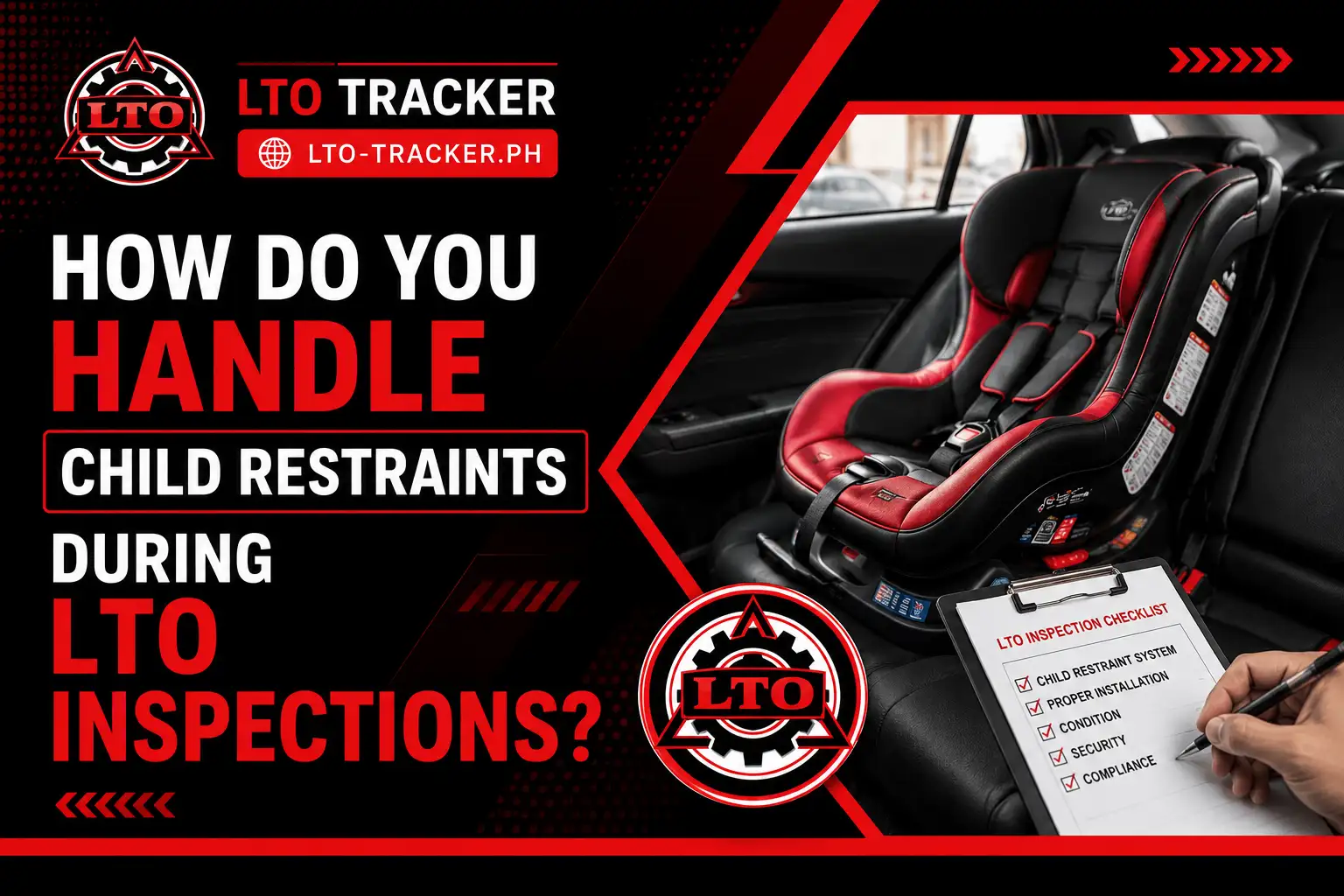
How Do You Handle Child Restraints During LTO Inspections?
When you travel with your children the first thing is to keep your vehicle’s child restraints installed and ready because at any checkpoint LTO enforcers can request to see the car seat or even during routine traffic stops.
So to make things clear, If pulled over for an inspection, you have to remain calm and cooperate with the enforcer. They’ll ask your child’s age and request to see the birth certificate so you should keep in the vehicle. The enforcer will visually inspect whether the restraint type matches the child’s age and size category, if there is nothing mismatch then they will leave your way.
They will also check the installation so you have to be prepared that the car seat is tightly secured and doesn’t move more than an inch in any direction. If the officers find any installation problem, then they will warn you instead of a citation, if you can correct the issue on the spot.
If cited, then you must note the enforcer’s name and badge number, the exact violation stated, and the citation number. Because this information helps you if you need to contest the citation or check LTO alarm status later.
What Happens If Your Child Restraint System Expires?
According to the RA 112299 you can’t use substandard or expired child restraint systems anymore. As you know, car seats have expiry dates which are already printed on the seats, typically around 6 to 10 years from manufacture. Using expired car seats is basically like you are not listening to LTO rules, because those materials slowly degrade over time, then the crash protection chance goes down, you know more or less.
Due to the temperature swings and UV exposure, the plastic shell turns brittle. The harness webbing loses tensile strength, more or less over time. The energy absorbing foam compresses, then it becomes less effective at doing its job. And yeah, this can occur even if the seat looks completely fine from the outside, like it hasn’t changed at all.
You must replace expired car seats right away! The LTO looks at an expired car seat the same way as using no car seat whatsoever. You will still get hit with the same ₱1,000 fine and the chance of license suspension, basically the same situation as someone riding without any restraint at all.
When you throw away old car seats, cut the harness straps first, then write “EXPIRED – DO NOT USE” directly on the plastic shell with a permanent marker. So that no one else uses it from pulling it out of the trash, without even realizing. Also, several manufacturers run car seat trade-in programs where you swap out an old seat for discounts on a new one.
Traveling with Children Using Ride-Sharing Services
Ride sharing services like Grab fall under the TNVS category, which is exempted from child restraint requirements so you can legally ride with your child in a Grab or a taxi without a car seat.
That said, exemption doesn’t really mean it’s safe though. Young children still gain a huge amount from proper restraints even for those quick rides, like errands or short trips. Some parents end up using portable travel car seats meant for taxi use, they are lightweight and they install , take out fast using the vehicle seatbelt.
There’s also another option: the CARES harness for kids ages 1 to 4 years, weighing 22 to 44 pounds. It’s a strap based system that forms a five point harness using the airplane seatbelt , and yes it works in cars too. It folds into a bag that’s smaller than a laptop, which makes it handy for families who regularly use ride sharing.
If you ever have to ride without a car seat, do your best to pop your child in the middle of the back seat when it’s possible. And keep your infants and toddlers held firmly in your arms , and don’t ever let them ride loose on the seat , no matter what. For older children, make sure the regular seatbelt sits right across the chest and also the hips.
Know About LTO Child Restraint System Exams
The LTO doesn’t require any exam which is specifically for child restraint systems. But for the drivers it is important to know about the LTO Child Restraint System. When you apply for the driver’s license you must have knowledge of traffic laws, which include child safety requirements.
During the theoretical driving exam, expect questions about the Child Safety in Motor Vehicles Act. Sample questions include the age ranges for different restraint types, penalty amounts for violations, and which vehicles are exempted from the requirement.
New drivers should study RA 11229’s key provisions before taking the LTO exam. The law’s full text is available on the official LTO website. Understanding these rules isn’t just about passing the test – it’s about protecting young passengers.
Professional drivers applying for conductor or professional licenses face more detailed questions about passenger safety. They must understand how to properly secure multiple children of different ages in larger vehicles.


Final Thoughts on Child Restraint System Compliance
TO’s child restraint requirements are there to protect little lives on Philippine roads, or at least that’s what it feels like when you think about it. Every trip matters , whether it’s some cross-country drive or just a quick run to the grocery store. A lot of fatal crashes happen within 25 kilometers of home, on roads you already know by heart.
Start complying today if you haven’t already, don’t wait for a “someday” that never comes. Measure your children, confirm the correct restraint approach for each one (not just what looks right), and install good quality, certified car seats. Sure the first spending looks big, but it’s really minor compared with medical bills after injuries or the kind of permanent loss that no family should ever face.
Also stay updated on LTO requirements, keep checking official sources and make sure your vehicle compliance stays in good standing. Protect your children, follow the law, and be a model of responsible driving for other drivers sharing the Philippine roads.